Sensitivity that creeps up over years is one thing. Sensitivity that arrives this week, in a tooth that was fine last month, is another, and it tends to worry people more. That instinct is right. A sudden change is worth paying attention to, because unlike gradual wear, it usually has a specific cause behind it.
What sudden sensitivity usually means.
A tooth is layered. Hard enamel on the outside, softer dentine underneath, and running through that dentine are thousands of microscopic channels leading inward to the nerve. When enamel is intact and the gum sits where it should, those channels are sealed off. Sensitivity begins when something exposes them.2
Gradual sensitivity is that seal wearing thin over years. Sudden sensitivity is usually the seal being broken, or crossed, in one identifiable way: a filling last week, a gum that has receded past a certain point, a crack, a stretch of unusually acidic eating, or a night of grinding that finally told.
The distinction matters because the two need different responses. Gradual sensitivity is a daily-care problem. Sudden sensitivity is a find-out-what-changed problem first, and a daily-care problem second.
Neither is rare, for what it is worth. Dentine sensitivity is one of the most common complaints in general dental practice, and reviews of the epidemiology put it somewhere around a third of adults, peaking in the thirties.4 Arriving suddenly does not make it unusual.
The common reasons teeth turn sensitive quickly.
- Recent dental work. A new filling, a crown, a deep clean or a whitening treatment can leave a tooth reactive for days or a few weeks. This is normal and usually settles. If it is still going after a month, go back.
- Gum recession reaching the root. Root surface has no enamel over it at all, so the moment a gum recedes past the enamel margin, that surface is exposed and reacts immediately. Recession can follow firm brushing or gum disease.3
- A crack or a lost filling. A cracked tooth often hurts on releasing a bite rather than on pressing down, and it can be sharp and sudden. This needs a dentist, not a toothpaste.
- A run of acidic eating and drinking. A fortnight of citrus, wine or fizzy drinks can soften enamel enough to tip a borderline tooth over the line.
- Grinding or clenching, often stress-related. It flexes the tooth at the gumline and wears the biting surface, and it frequently arrives with a busy period rather than gradually.
- Decay. Sensitivity to sweet things in one particular tooth is a classic early sign, and it will not resolve on its own.1
When to see a dentist rather than change your toothpaste.
Most everyday sensitivity is dentine sensitivity, and it responds to daily care. Some of it is not, and the difference is readable from how the pain behaves.
Dentine sensitivity is sharp, brief and tied to a trigger. It arrives with the cold drink and it goes shortly after. What does not fit that pattern is worth a professional look. The NHS advises seeing a dentist for toothache that lasts more than two days, and does not resolve with painkillers.1 Specifically, book an appointment if:
- The pain lingers. A dull ache that carries on after the trigger has gone, or throbs on its own, is a different signal.
- It wakes you at night. Sensitivity does not. Pulpal pain does.
- It is one tooth, sharply. Especially if it started abruptly and has not eased. That can be a crack, decay or a failing filling.
- There is swelling, a bad taste, or the gum is tender. These point to infection, and they need treating.
None of that is a reason to panic, and most of it is straightforward to fix when caught early. It is a reason not to spend three months managing something with a toothpaste that wanted twenty minutes in a dentist's chair.
Sensitivity that fades with the trigger is a daily-care problem. Sensitivity that outlives it is a question for a dentist.
What helps, once a dentist has ruled the serious things out.
If the answer is everyday dentine sensitivity, the mechanism gives you the plan. There are two things wrong at once: a nerve reacting too readily, and a surface that is letting triggers through. Most sensitivity toothpastes address one of them.
Potassium is the best way to address the first. Potassium ions reduce the nerve's ability to fire a pain signal, and a Cochrane review of randomised trials examined potassium-containing toothpastes for exactly this.5 The second half, the open channels, is where hydroxyapatite has been studied: it is an enamel-like mineral small enough to settle into the exposed tubules and rebuild mineral at the surface. A 2023 review of the clinical evidence looked at biomimetic hydroxyapatite in oral care products for reducing dentine hypersensitivity.6
Calm the nerve but leave the surface open and the triggers keep arriving. Seal the surface but leave the nerve over-reactive and it still complains. Doing one without the other is why so many people brush faithfully and still flinch.
Where S3 comes in.
S3 Sensitivity Science™ exists because that gap is the whole problem. Our patent-pending S3 Repair Technology™ is a triple-active blend built to do all three jobs at once, with full adult-strength 1450 ppm fluoride alongside for decay protection.
In S3's own consumer testing, 88 per cent of people said they felt less sensitive using it. Give any sensitivity paste a fair run of daily use before judging it, and spit rather than rinse, so the actives stay where you put them.
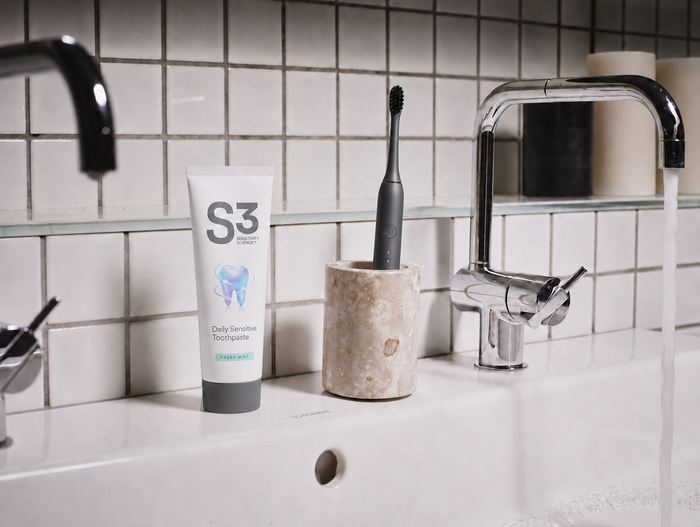
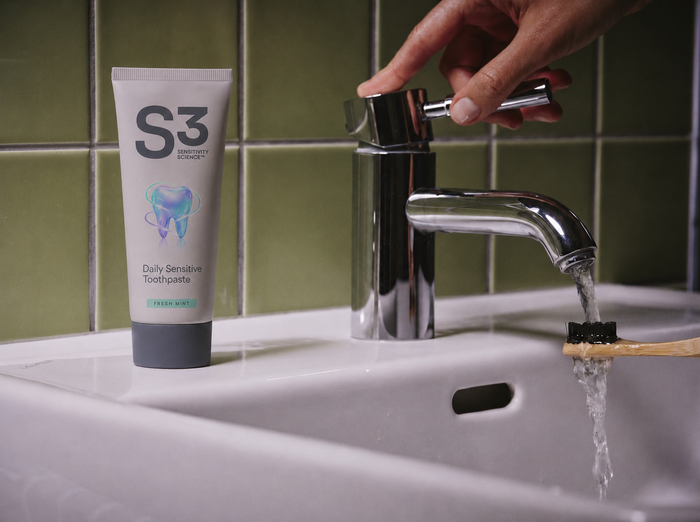
See S3 Daily Sensitive Toothpaste, or if you are in a flare-up now, read how to stop sensitive teeth pain.
Frequently asked questions.
Why have my teeth suddenly become sensitive to cold?
A recent change is usually behind it: dental work in the last few weeks, a gum that has receded to expose root surface, a stretch of acidic eating and drinking, grinding, or a crack. Cold is the trigger people notice first because it moves the fluid inside the exposed channels most sharply. If it started abruptly in one tooth and has not eased, see a dentist.
Can stress cause sudden tooth sensitivity?
Indirectly, yes. Stress commonly increases clenching and grinding, often at night without you knowing, and that flexes the tooth at the gumline and wears the biting surface. The sensitivity can appear over a few weeks rather than gradually. A dentist can spot the wear pattern and may suggest a solution.
How long should sensitivity after a filling last?
Usually days to a few weeks, easing steadily. If it is still there after a month, is getting worse rather than better, or the tooth hurts when you bite down, go back to the dentist who placed it.